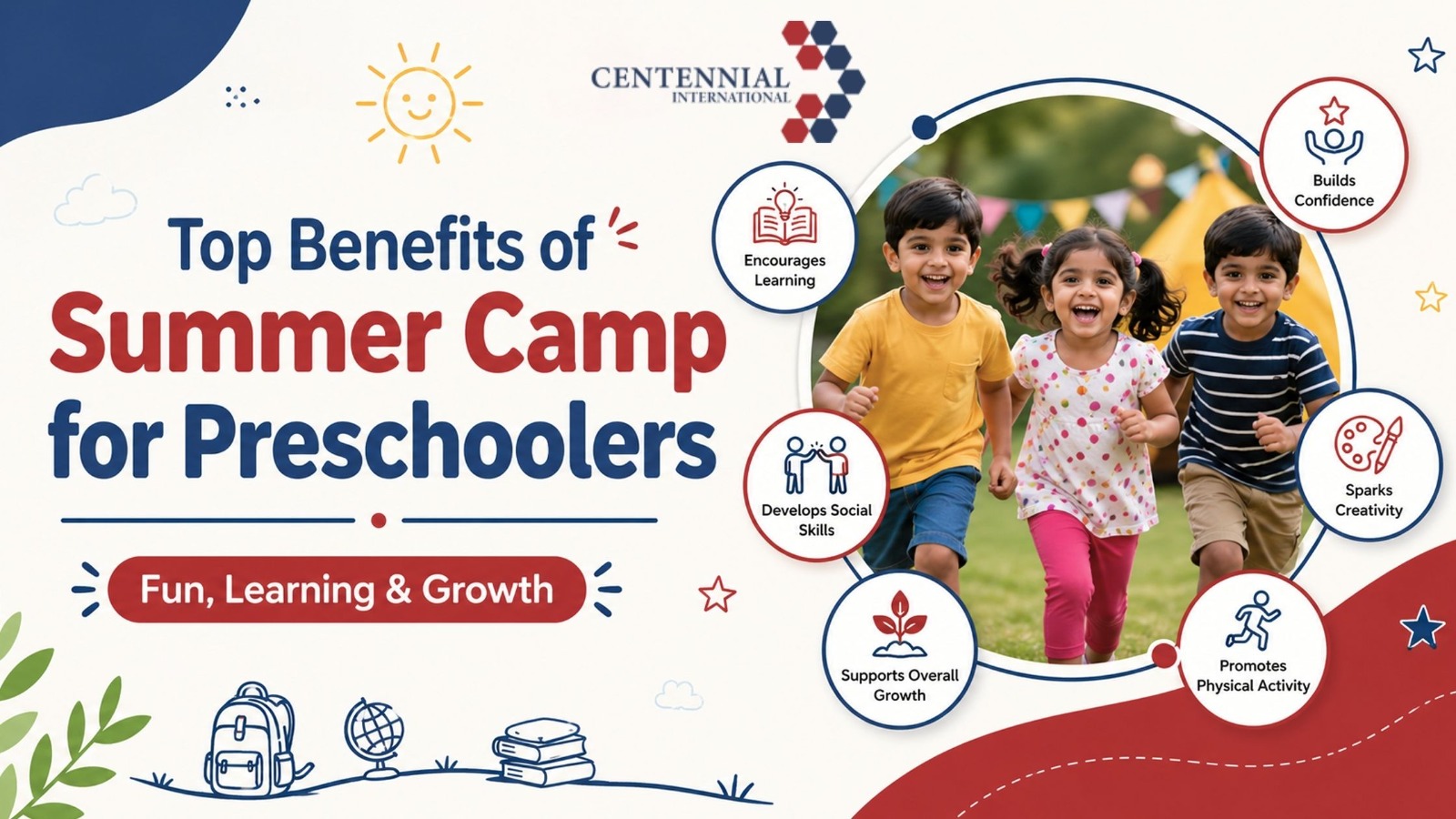

Summer is a season of curiosity, energy, and discovery for young children. For parents and educators alike, it presents an opportunity to go beyond routine learning. A well-designed summer camp for preschoolers creates the perfect balance between fun and meaningful development, ensuring that children continue to grow while enjoying the spirit of the season.
At Centennial International, we believe early childhood experiences should nurture curiosity, independence, and a love for learning—values that align closely with thoughtfully designed summer programs. Parents and educators looking for more ideas on early childhood learning and enrichment can also explore CIPL International’s Instagram for educational insights and updates.
Table of Contents
ToggleLearning Continues Through Play-Based Experiences
One of the biggest advantages of a summer camp for preschoolers is that learning doesn’t stop—it simply becomes more engaging. Through play-based learning and hands-on activities, children explore new concepts naturally while having fun.
Activities like art, storytelling, and interactive games promote:
- Creativity and imagination
- Problem-solving skills
- Early cognitive development
Outdoor Play and Physical Development
Summer camps encourage children to step outside and engage with their environment. Outdoor play for kids supports physical growth, coordination, and teamwork.
Whether it’s group games, nature walks, or water play, these experiences help children:
- Build motor skills
- Develop social interaction
- Learn teamwork and cooperation.
Social and Emotional Development
A structured summer camp for preschoolers provides opportunities for children to interact with peers in a relaxed setting. This is crucial for social and emotional development.
Children learn to:
- Communicate effectively
- Share and collaborate
- Express emotions confidently
A Safe and Structured Learning Environment
For both parents and educators, safety and consistency are essential. A safe, structured learning environment helps children feel secure while encouraging exploration.
Familiar settings, supportive teachers, and engaging activities allow children to:
- Build trust
- Stay confident
- Participate actively
Building School Readiness Skills
A summer camp for preschoolers also plays a key role in strengthening school readiness skills. Children continue to develop early literacy, numeracy, and listening skills in a relaxed, enjoyable environment.
This helps make the transition to kindergarten smoother, more confident, and far more comfortable for young learners.
The Perfect Balance of Fun and Growth
A thoughtfully planned summer camp for preschoolers offers more than just entertainment. It creates a space where children can explore, learn, and grow holistically.
Through interactive learning activities, outdoor experiences, and creative exploration, children build:
- Confidence and independence
- Strong social skills
- A love for learning
Why a Summer Camp for Preschoolers Is a Smart Choice
Summer camps are not just seasonal activities—they are powerful learning experiences. For parents and educators, they offer a meaningful way to keep children engaged while supporting their overall development.
At Centennial International, we continue to advocate for learning environments that combine structure with creativity—ensuring every child’s early years are filled with discovery, growth, and joy.
To explore more about early education insights and programs,
visit: https://cipleducation.com/